
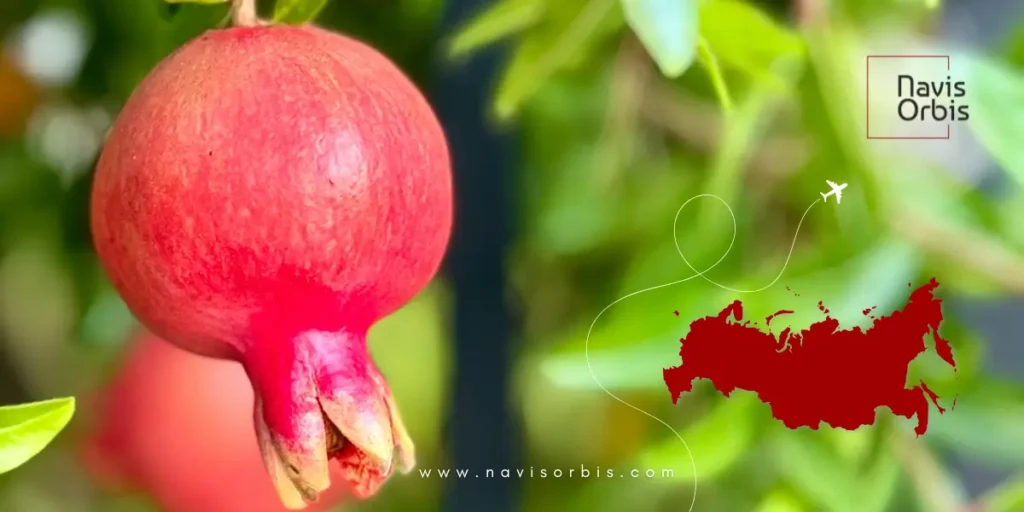
India is one of the largest producers and exporters of pomegranates in the world, renowned for its rich flavor, vibrant red color, and long shelf life. With the global demand for fresh and organic fruits increasing, Indian pomegranates have become highly sought after in markets across Europe, the Middle East, the US, and Asia.
If you are an importer or distributor, knowing the best season for pomegranate export from India is crucial. Timing plays a significant role in ensuring high-quality fruits, minimal wastage, and successful business transactions.
Pomegranate Cultivation in India
Pomegranates thrive in semi-arid regions with hot summers and cool winters. The fruit is native to the Indian subcontinent and is grown across several states, with Maharashtra, Karnataka, Gujarat, Telangana, and Andhra Pradesh being the major contributors.
Key Varieties Grown for Export:
- Bhagwa: Bright red, sweet, and juicy – the most popular export variety.
- Ganesh: Medium-sized, good shelf life, suitable for bulk shipments.
- Arakta: Large, slightly sour, mostly exported to niche markets.
These varieties are chosen specifically for export purposes because of their taste, appearance, and durability during transit.
Pomegranate Growing Cycle
Understanding the fruit’s growth cycle helps exporters plan their shipments effectively:
- Flowering Season: June – July
- Fruit Setting: July – August
- Maturation: September – February
By aligning exports with these timelines, international buyers can receive fruits at their peak ripeness, ensuring maximum freshness and sweetness.
Best Season for Export
The prime export season for Indian pomegranates is between October and February. During these months, fruits are fully matured, sugar content is highest, and skin color is vibrant red, which are critical factors for international trade.
Month-wise Export Advantages:
- October – November: Early harvest with premium-quality fruits. High demand in Europe and the Middle East. Early exports often fetch a better price due to limited global supply.
- December – January: Peak season, with maximum fruit availability. Suitable for bulk orders and large-scale shipments.
- February: Late harvest season. Best for markets seeking organic pomegranates or specialty varieties.
Exporting outside this season is possible but may require additional storage, ripening control, and preservation techniques, which can increase costs and risk of spoilage.
Global Demand for Indian Pomegranates
Indian pomegranates have earned a reputation for premium quality, making them highly preferred by international buyers. The demand pattern aligns closely with the export season:
- Europe: October – December, when local production is low.
- Middle East: October – February, for fresh fruit and festive season supply.
- Asia (Japan, Singapore): November – January, when imported fruits are preferred.
- United States: November – February, for supermarkets and organic fruit markets.
The global market values Bhagwa variety for its taste, sweetness, and juice content, making it the top choice for export.
Role of Exporters
Exporters like Navis Orbis play a crucial role in ensuring that pomegranates harvested during the peak season reach international markets in premium condition.
Key measures include:
- Quality Grading: Sorting fruits by size, weight, color, and sugar content.
- Packaging: Using ventilated cartons and modified atmosphere packaging (MAP) to prolong shelf life.
- Cold Chain Logistics: Maintaining temperature-controlled transport from farm to port.
- Compliance: Ensuring phytosanitary certificates, APEDA standards, and food safety regulations are met.
These steps are essential to reduce wastage, maintain fruit quality, and satisfy international buyers.
Tips for Importers & Distributors
To make the most of the pomegranate export season, international buyers should consider:
- Plan Orders Ahead: Place orders before October to secure early harvest fruits.
- Check Exporter Credentials: Choose trusted exporters like Navis Orbis for quality assurance.
- Understand Varieties: Know which variety suits your market needs – Bhagwa for sweetness, Ganesh for durability.
- Verify Packaging & Logistics: Ensure cold chain logistics are in place to prevent spoilage.
- Stay Updated on Regulations: Follow import guidelines, duties, and certifications in your country.
Benefits of Exporting During Peak Season
- Peak Season Sweetness: Pomegranates picked at the right time are bursting with natural sweetness and exceptional juiciness.
- Longer Shelf Life: Properly ripened fruits last longer in transit.
- Premium Appearance: Bright red skin attracts buyers and boosts sales.
- Higher Profit Margins: Early-season fruits often command higher prices in the international market.
- Consistency: Reliable supply ensures repeat orders and long-term business relationships.
Conclusion
The best season for pomegranate export from India is October to February, when the fruits are fully matured, sweet, and visually appealing. By aligning shipments with this season, exporters and importers can ensure high-quality products, satisfied customers, and profitable trade.
For businesses seeking a reliable pomegranate exporter from India, partnering with experienced companies like Navis Orbis guarantees:
- Timely supply
- Premium-quality fruits
- Cold chain transport
- Full compliance with international standards
Whether you are an importer, distributor, or retailer, understanding the peak export season is key to maximizing profit, quality, and customer satisfaction in the global pomegranate market.